This fall, BNCLT staff and board attended CLT and Solidarity Economy conferences in San Francisco, CA; Ottowa, Canada; and Philadelphia, PA.
Here are some takeaways from our team:
Markeisha Moore, BNCLT’s Resident Leadership Coordinator, on Black Possibilities: Northeast
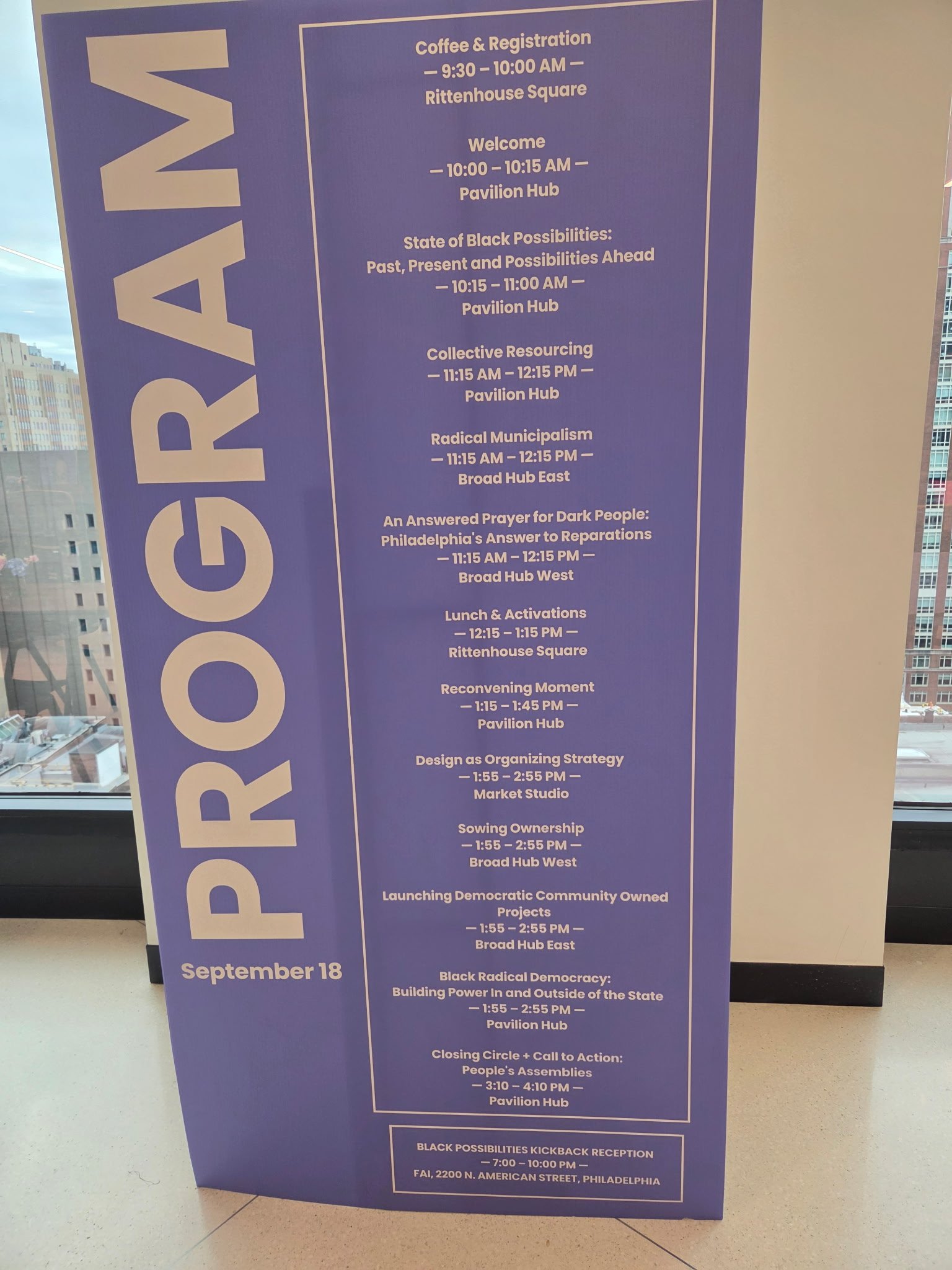
I attended Black Possibilities: Northeast — hosted by Ujima, Kensington Corridor Trust, and the Solidarity Economy Research, Policy & Law Project at UIC — in Philadelphia along with our Board Member Eric Boyd. It was a great space to be in and great to see what Black folks have been able to do / are doing in the march towards strengthening Black communities in the Northern States.
We learned about the different ways Northern States are practicing Radical Municipalism, such as Kensington Corridor Trust in Philadelphia, the Guild in Atlanta, and what we are working towards here at BNCLT. Building equitable community-based neighborhoods that are affordable, grow community wealth and are community stewarded.
Bree Herne, BNCLT’s Director of Operations and Property Management, on the Canadian Network of Community Land Trusts Summit
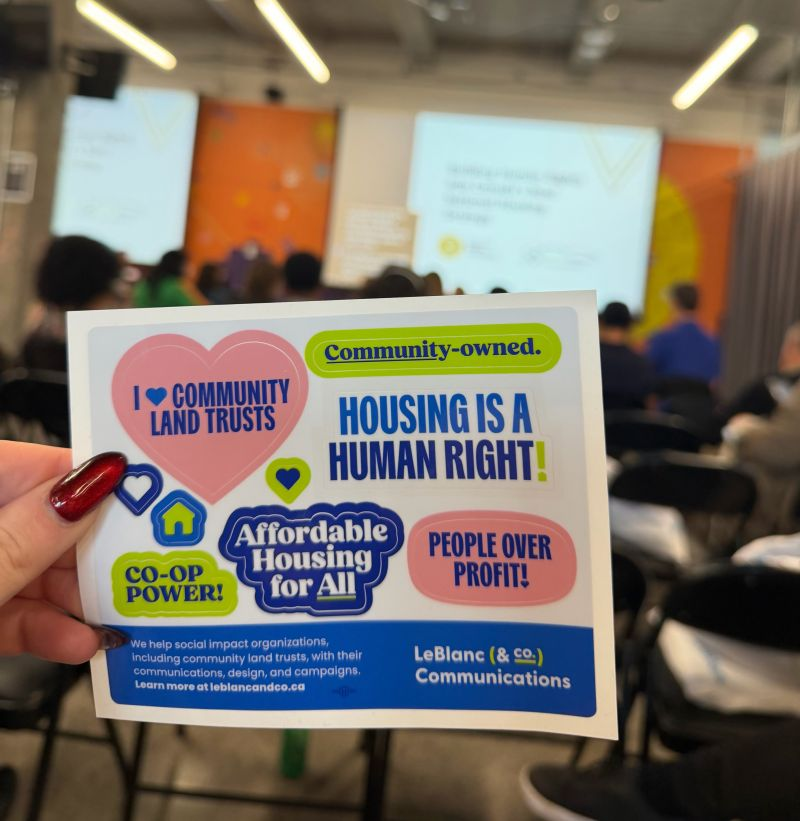
Heading north from Boston to Ottawa for the Canadian Network of Community Land Trusts Summit was a vital trip back to the general area I grew up. As an Indigenous housing director fighting Boston’s hyper-speculative market, the conference provided essential perspective.
Coinciding with the National Day for Truth and Reconciliation, the summit pushed beyond performative gestures to focus on rematriation, Land Back, and legal innovations for permanent decommodification. Blending housing with food sovereignty and climate resilience reinforced a core truth: housing justice requires fundamentally restoring our sacred, collective relationship to land for the generations coming after us.
Alma Chislom, BNCLT’s Board President, on the California CLT Network Conference
The California Community Land Trust Network put on a conference that included all of the CLTs in California and an invitation to other CLTs around the country. This was a chance to see how other CLT’s work, to share information and participate in history. This conference program consisted of a day tour of different CLT properties and a second day of different classes to take that pertain to community land trusts.
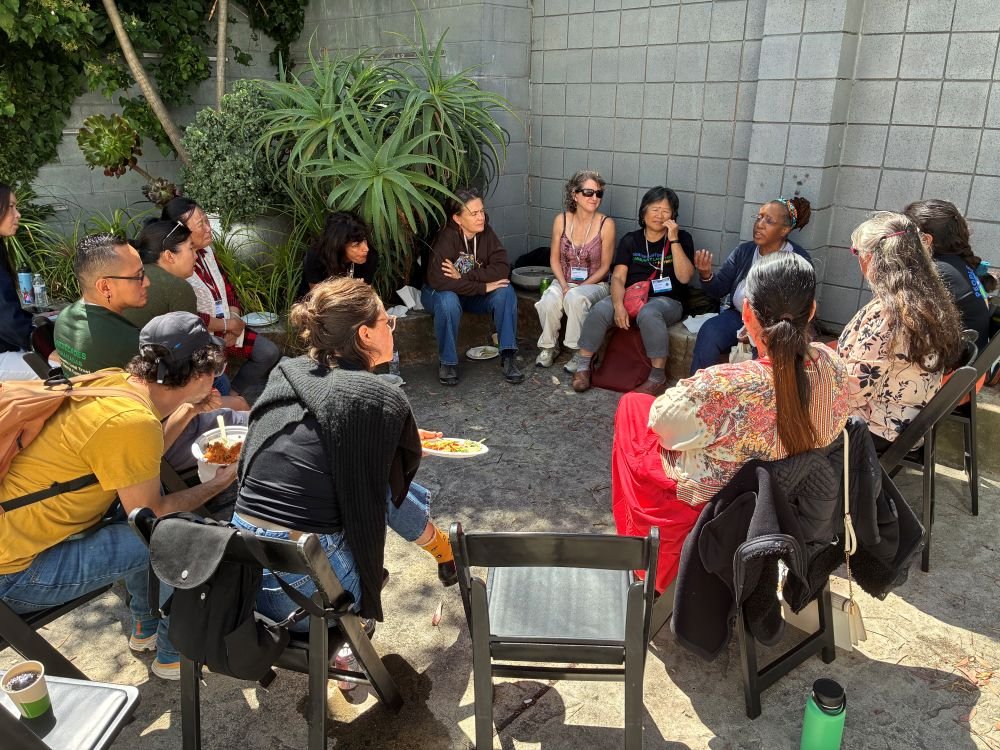
Alma speaking with peers from the Greater Boston CLT Network while at the California CLT Network Conference.
On day one I took a walking tour to the 16th street area. It was a 17-minute walk with an exciting ride on the Bay Area Transit train (BART). Our first stop was a building that the tenants reached out to the SFCLT and the Small sites program to purchase their building after they learned the landlord was planning to sell the property. San Franciso CLT purchased the building in December of 2025. Since it’s a newly purchased property, the tenants were still working on what being on a land trust meant and setting up a management company to oversee the property. We were able to meet one of the residents of the building and he spoke about the transition of the building on to a land trust.
My second stop on the tour was to an alleyway that had art painted on the walls of buildings that depict the history of Mission district. Lisa Ruth Elliot spoke to our group about the refugees that came into the area and how the burnout of 1906 of one of the buildings left so many homeless. Out of this tragedy came the art, tenant union with a newspaper and the growth of women community and Lesbian community.
The final stop on our tour was to the Celadon House at 18 Adair Street. It is an Artist space trust with 2 units that was recently renovated. It was a 2.6-Million-dollar home donated to the land trust for Artists.
On day two, there were a number of classes to take. Each class was no more than 70 minutes with breakfast and lunch break in between. The classes I attended were “From Tenant Power to Community Ownership: CLT’s and the Frontlines of Housing Justice,” “Setting your CLT up for Long Term Success: Best practices for Asset Management, Portfolio and Organizational Sustainability,” and “Land, Legacy and leadership: Guiding youth as the Next Generation of Land Stewards.”
These classes were very informative and showed how much we all have in common in our growth of becoming a Community Land Trust. I can see that the CLTs are all in various stages of a CLT and struggle with resident engagement as well.
The key takeaway from this conference for me was that CLTs are our future and with financial management, CLT education and resident engagement housing has a chance of being permanently affordable.